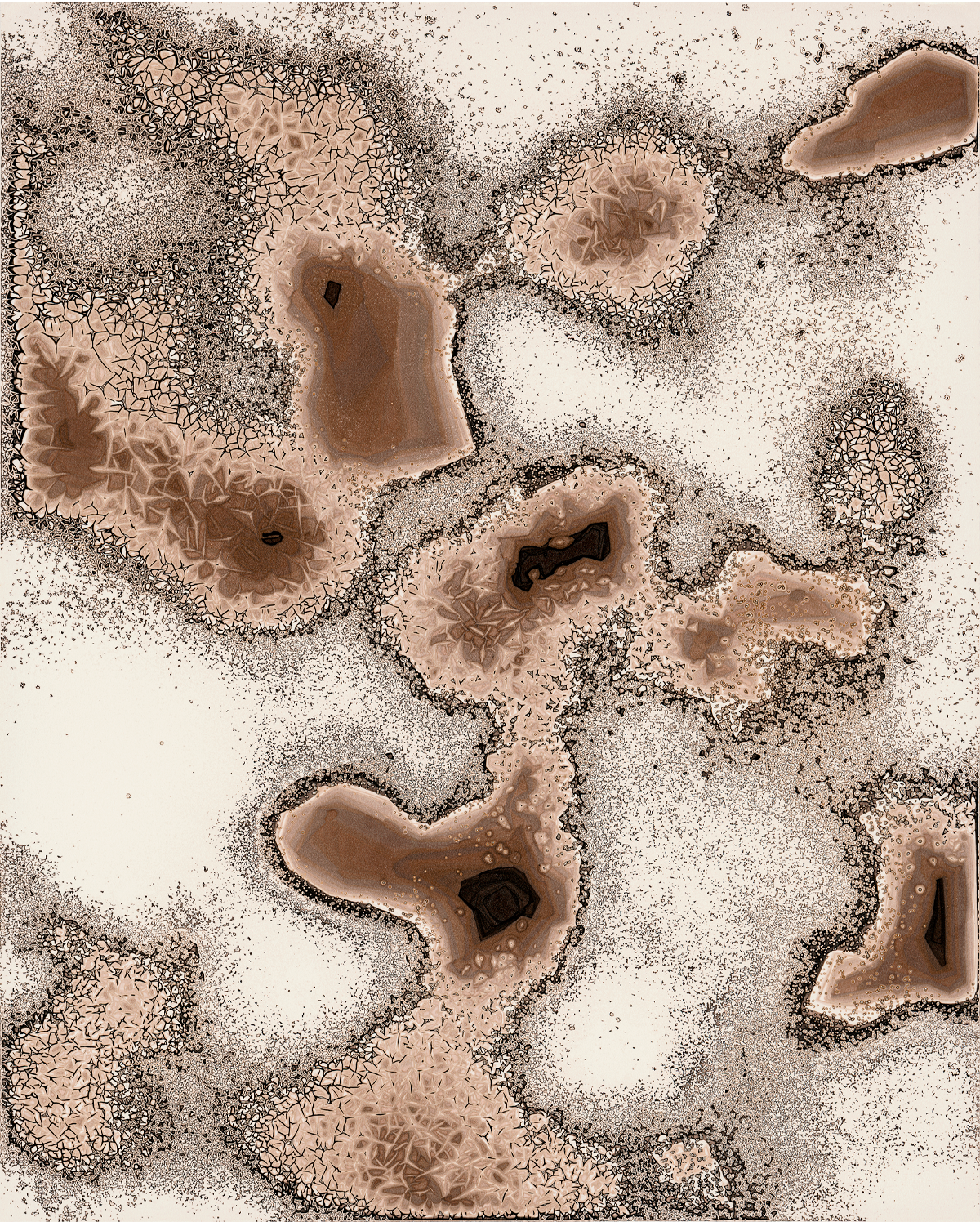
Shifting Ground 40,17cm x 50cm, Chemigram, Giclée, Edition of 15
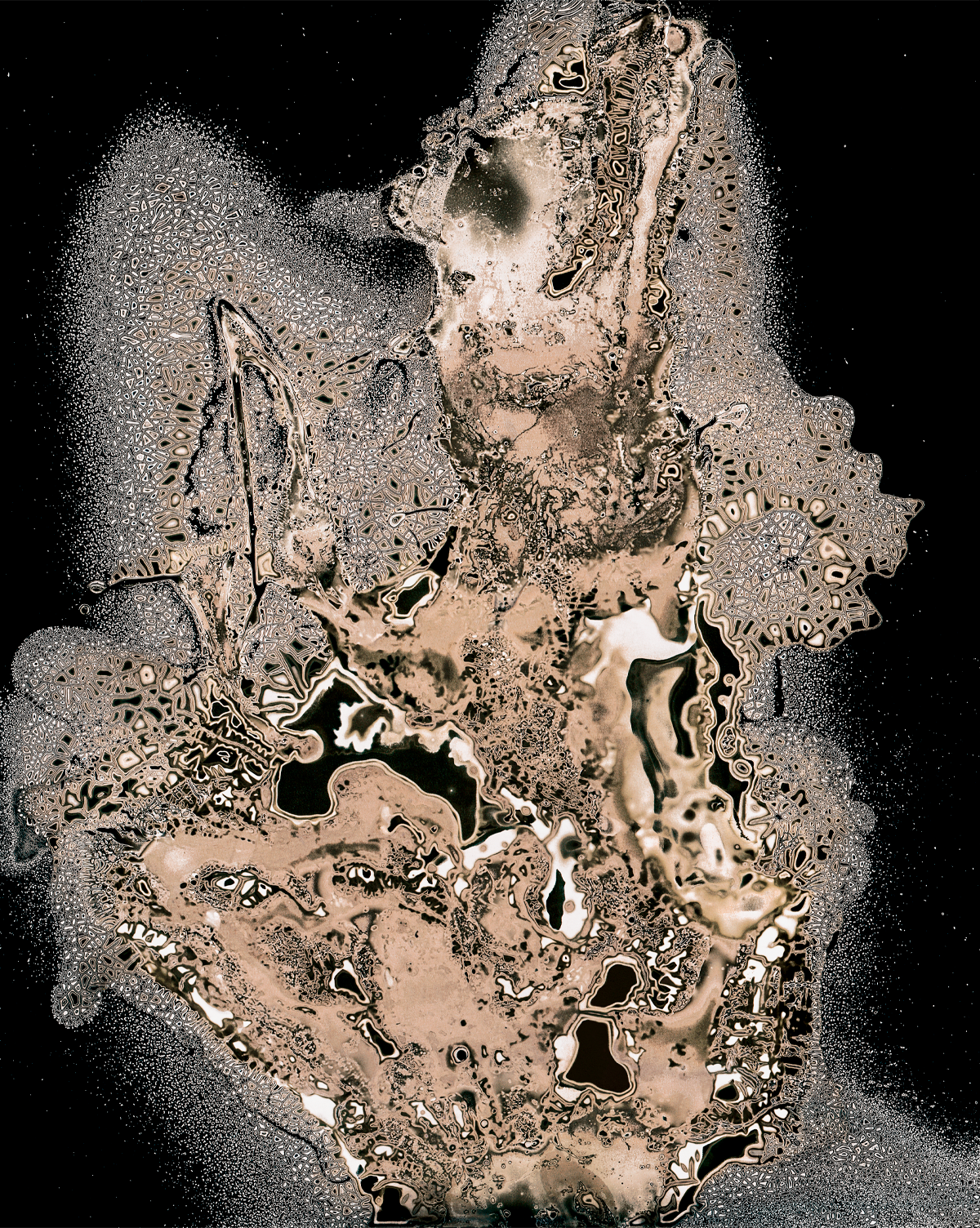
Fragmented Self, 40,17cm x 50cm, Chemigram, Giclée, Edition of 10
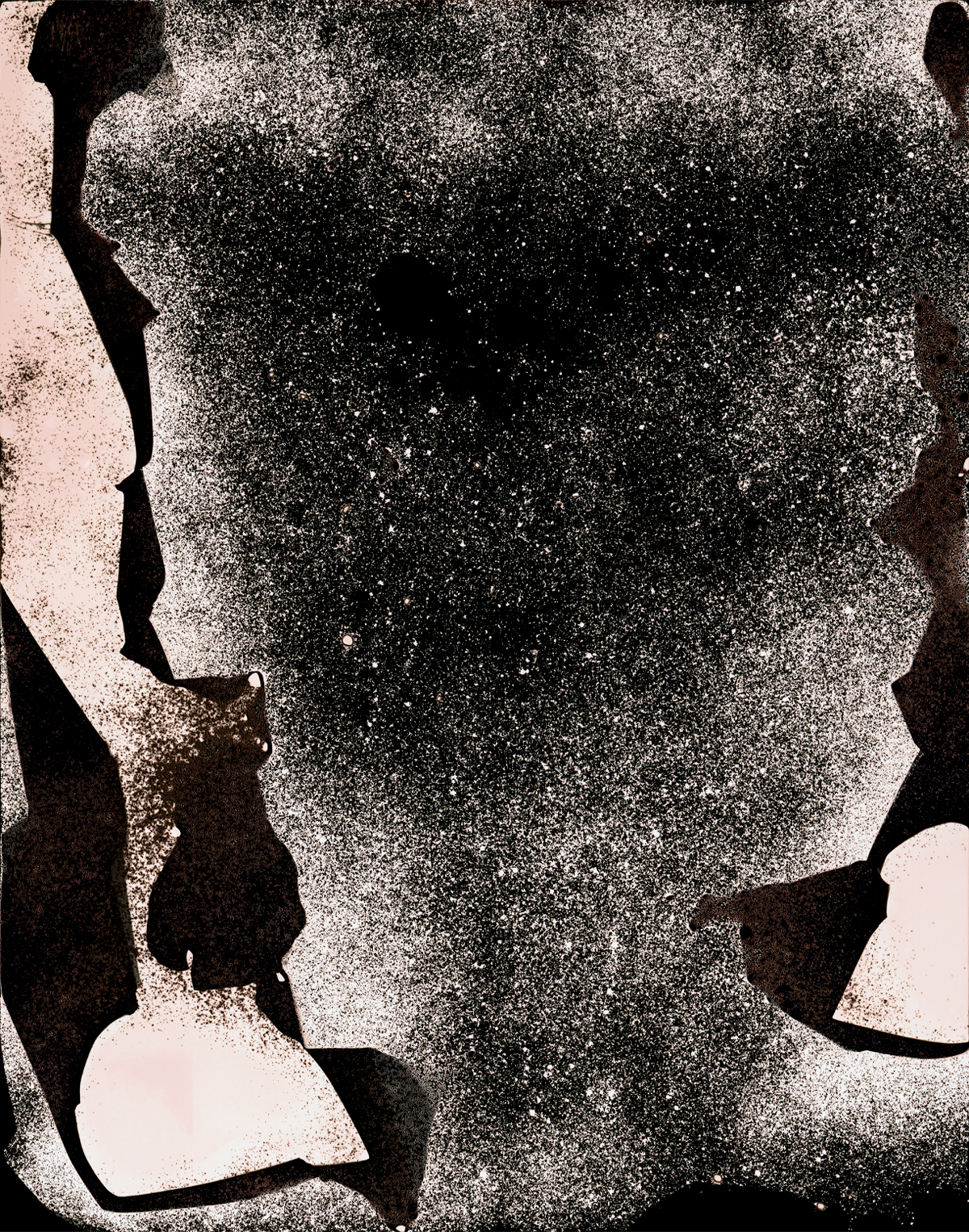
Haunted Stars, 39,31 x 50cm, Chemigram, Giclée, Edition of 15
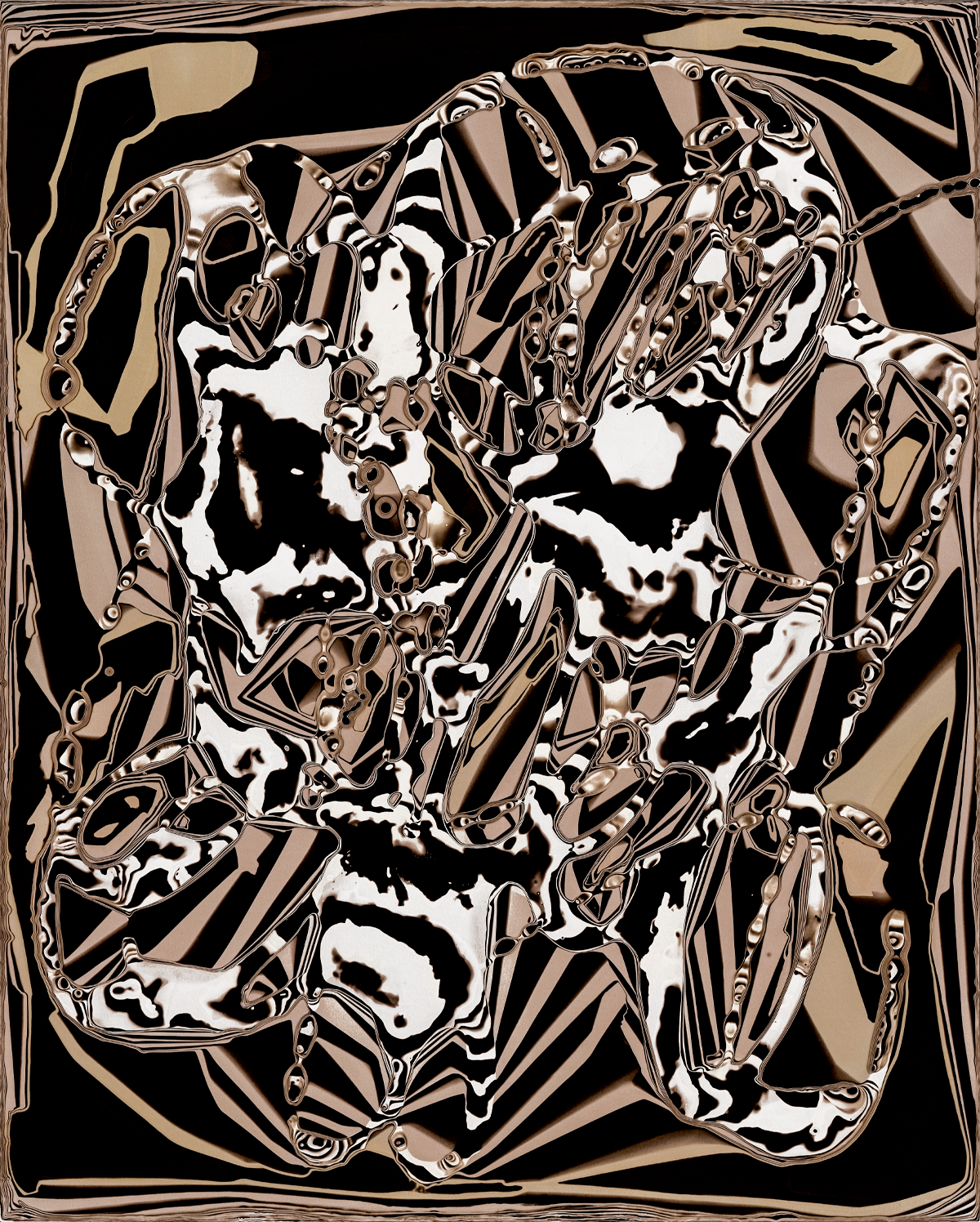
Slipping Forms, 40,01cm x 50cm, Chemigram, Giclée, Edition of 10
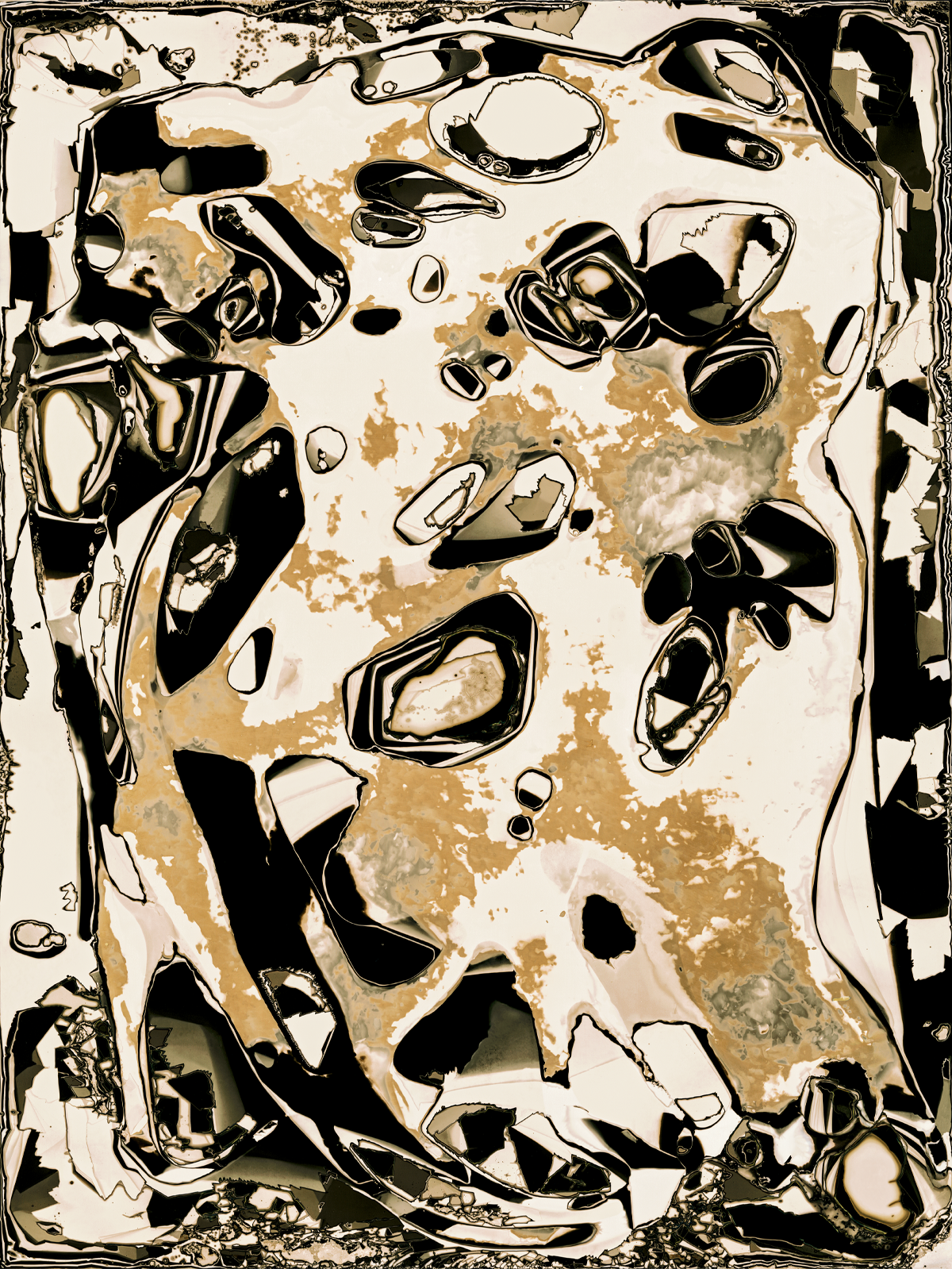
Fractured Focus, 37,52cm x 50cm, Chemigram, Giclée, Edition of 25
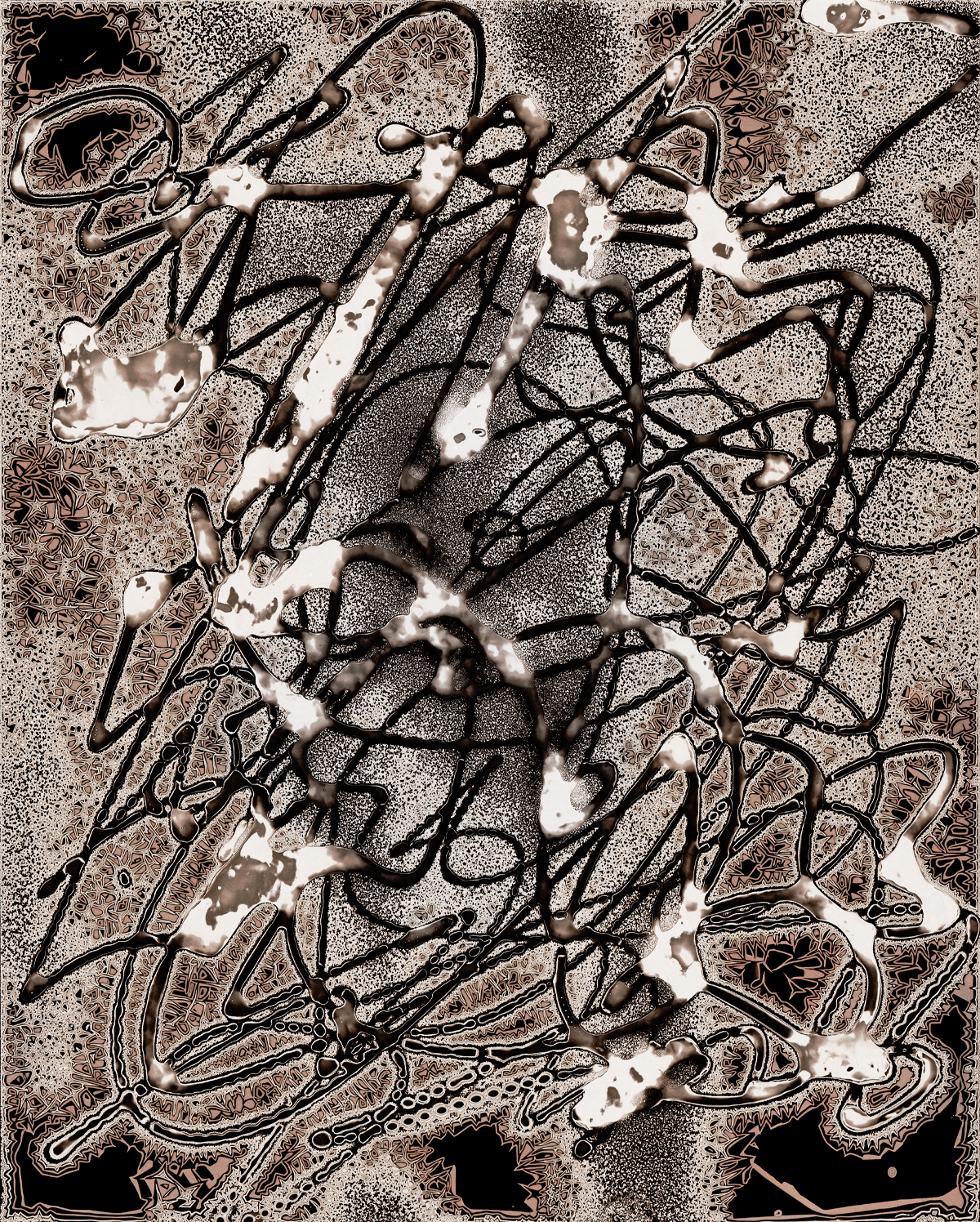
Spinning Mind, 40,05cm x 50cm, Chemigram, Giclée, Edition of 25
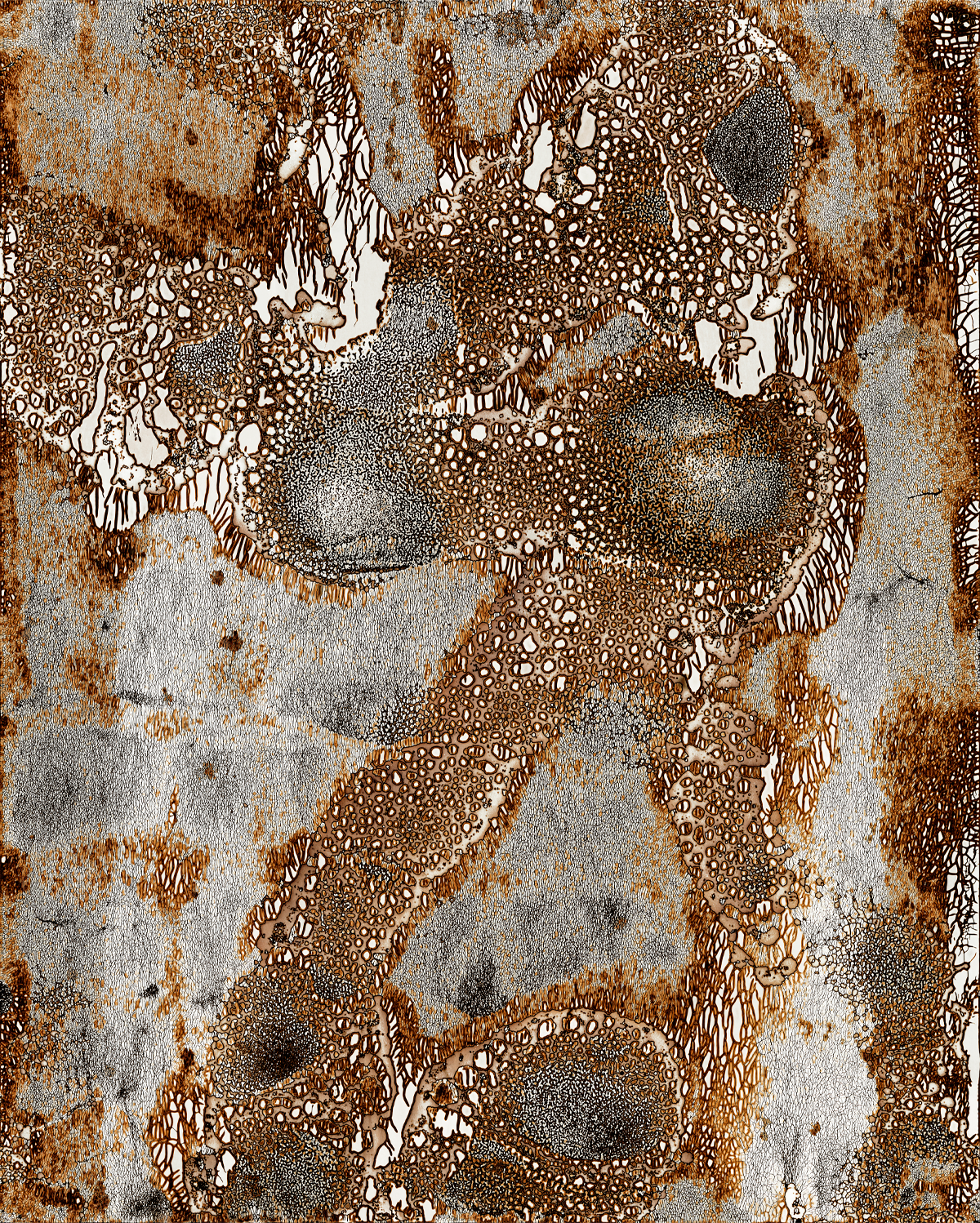
Distorted Perception, 40,07cm x 50cm, Chemigram, Giclée, Edition of 25
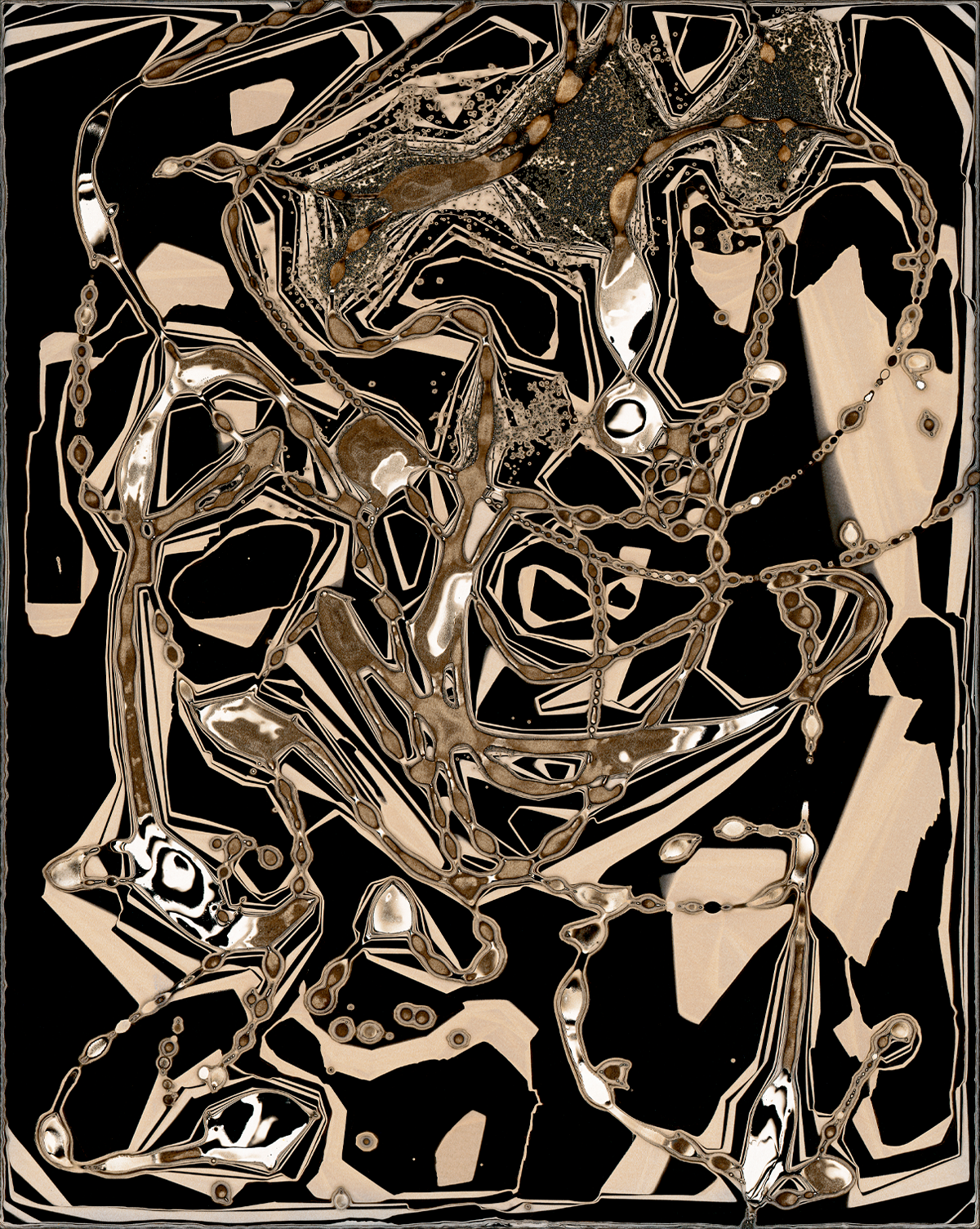
Tangled Sight, 38,89cm x 50cm, Chemigram, Giclée
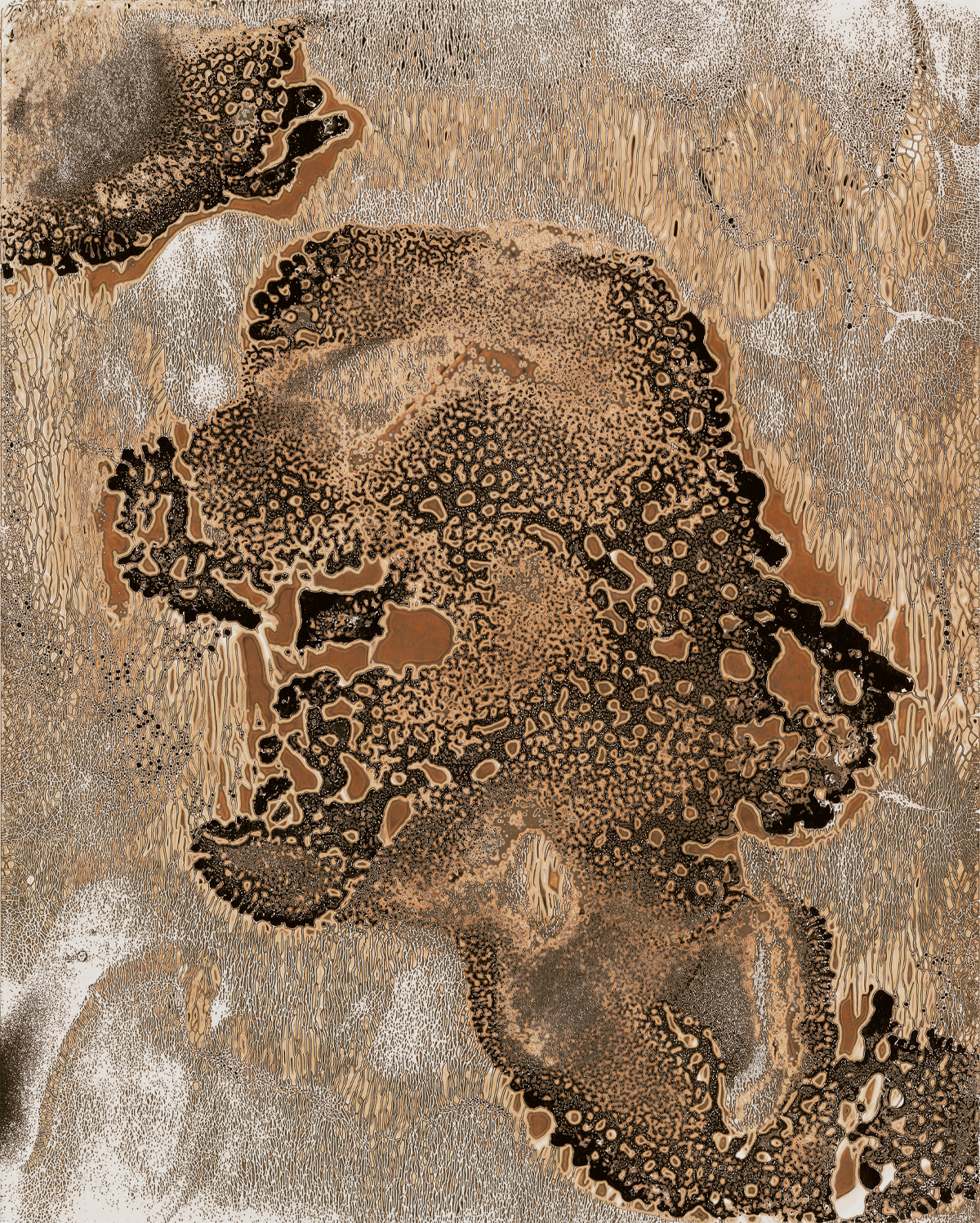
Inner Sparks, 40,09cm x 50cm, Chemigram, Giclée. Edition of 25
This body of work uses the chemigram process, a cameraless photographic technique shaped by light, chemistry, and chance. The series was inspired by my own experience of a concussion and reflects on themes of change, instability, and impermanence. Each piece brings together contrasts — light and dark, control and unpredictability, intention and spontaneity. The resulting images suggest distorted faces, fragmented figures, and familiar forms that never fully resolve, echoing feelings of disorientation and fluid perception.
Process:
Creative Concussion is made using varnish, glue, and honey applied to black-and-white photographic paper as resists. These materials act as temporary barriers, preventing the photographic chemicals from fully reaching the paper. Once the resists have dried, the paper is exposed to light and then passed through trays of developer, stop bath, and fixer.
Creative Concussion is made using varnish, glue, and honey applied to black-and-white photographic paper as resists. These materials act as temporary barriers, preventing the photographic chemicals from fully reaching the paper. Once the resists have dried, the paper is exposed to light and then passed through trays of developer, stop bath, and fixer.
The paper often moves through these chemical baths multiple times. The developer darkens areas of the image, while the fixer lightens them. Over time, the sticky resists slowly begin to break down, lifting away in small patches or “cells.” The thickness of the material determines how quickly this happens, allowing the image to emerge gradually and unevenly.
This slow breakdown shapes the final work. Each pass through the chemicals subtly changes the surface, revealing new forms and textures. The process can take hours or days and requires close attention and patience. In this way, the method mirrors the themes of the work itself — a careful unfolding marked by time, vulnerability, and transformation.